

Theraputic Update 2026
Lake Placid New York
October 7-9 2026
-
Pharmacogenomics and Updates in Diabetes Management
Describe the current framework, recommendations, and evidence to apply patient specific pharmacogenomic information to individualized treatment decisions.
Evaluate various drug interactions and patient specific pharmacogenomic drug interaction considerations.
Discuss guideline updates in the management of diabetes mellitus, including cardiovascular and renal considerations and their impact on pharmacotherapy selection .
Identify how continuous glucose monitors can be utilized to optimize pharmacotherapy regimens for patients with diabetes.
Apply the updates discussed for vaccinations, hormonal and osteoporosis therapies, and diabetes management through a series of interactive patient cases and discussions .
Define the appropriate workup for several interactive cases of acute abdominal pain.
Illustrate the pitfalls in making a diagnosis.
Peptic Ulcer Disease and Helicobacter Highlights:
Identify the importance of risk factors in the development of UGI bleeding.
Select appropriate candidates for long term PPI therapy.
Review noninvasive ways of making a H pylori diagnosis.
Manage antibiotic therapy for Helicobacter 2024.
Clinical Dilemmas in GI Bleeding:
Describe the limitations of colonoscopy.
Recognize the importance of “Alarm Symptoms”.
Describe advanced endoscopic techniques that are used to evaluate
GI bleeding.
Recognize the safe use of anti platelet and anticoagulation medications post GI bleedng
-
Discuss why individuals with profound autism have reduced access to inpatient psychiatric hospitalization.
Define polypharmacy.
Identify three reasons for polypharmacy in people with profound autism.
Apply deprescribing strategies to a clinical case example.
Define diagnostic overshadowing and evaluate factors that may contribute to it using a clinical case example.
Identify three common psychotropic side effects and assess how they contribute to aggression and self-injurious behaviors in people with intellectual disabilities.
Distinguish between affective and mood lability and describe how those differences influence treatment planning.
Describe the diagnostic and treatment differences of catatonia in people with and without an intellectual disability.
Formulate a treatment plan for an individual with profound autism and excited catatonia.
-
Describe the basic pharmacology behind monoclonal antibodies.
Discuss how monoclonal antibodies are made.
Discuss the nomenclature behind naming monoclonal antibodies.
List examples of monoclonal antibodies and the conditions they treat.
Outline in STEPS format (safety, tolerability, efficacy, price, simplicity) several monoclonal antibodies (i.e., Certolizumab, denosumab, new cholesterol medications.)
Discuss the side effects of selected monoclonal antibodies.Discuss risk factors associated with these new technologies.
List any general patient education.
About This Course
This comprehensive on-demand pharmacology CME course was recorded live during the October 2026 University Learning Systems conference in Lake Placid NY. T
Recorded live Lake Placid, NY October 7-9, 2026
Valid through October 9, 2029
Provides 15 Hours of ACPE Home Study credit.
Price $250
“I really enjoyed this course and the speaker. He was extremely knowledgeable and fun talk. It did not feel like a 5 hour course. He as very engaging.
Amazing course and speaker. I learned a lot about Autism and very impressed how medication load was reduced for some patients. They were able to have a better quality of life and family too.
Fantastic speaker ! Very much enjoyed his talks and I learned so much ! He is a wealth of knowledge ..an engaging speaker and kept my attention ! And funny to boot . Thank you !
”

Dr. Peter S. Buch, MD, AGAF, FACP
Dr. Peter Buch is a clinical gastroenterologist with over 30 years of teaching experience. Teaching is his passion! His style is case based, practical, very interactive and fun. He has extensive local, national and international teaching experience. He has taught family doctors, internists, PAs, nurses, NPs and pharmacists. His evaluations have consistently been outstanding. Many organizations invite him back on a yearly basis.

Dr. Michael Cummings MD
Dr. Michael Cummings MD
Vice Chair and Assistant Professor, Department of Psychiatry, Jacobs School of Medicine & Biomedical Sciences, University at Buffalo, The State University ofNew York. Buffalo, NY
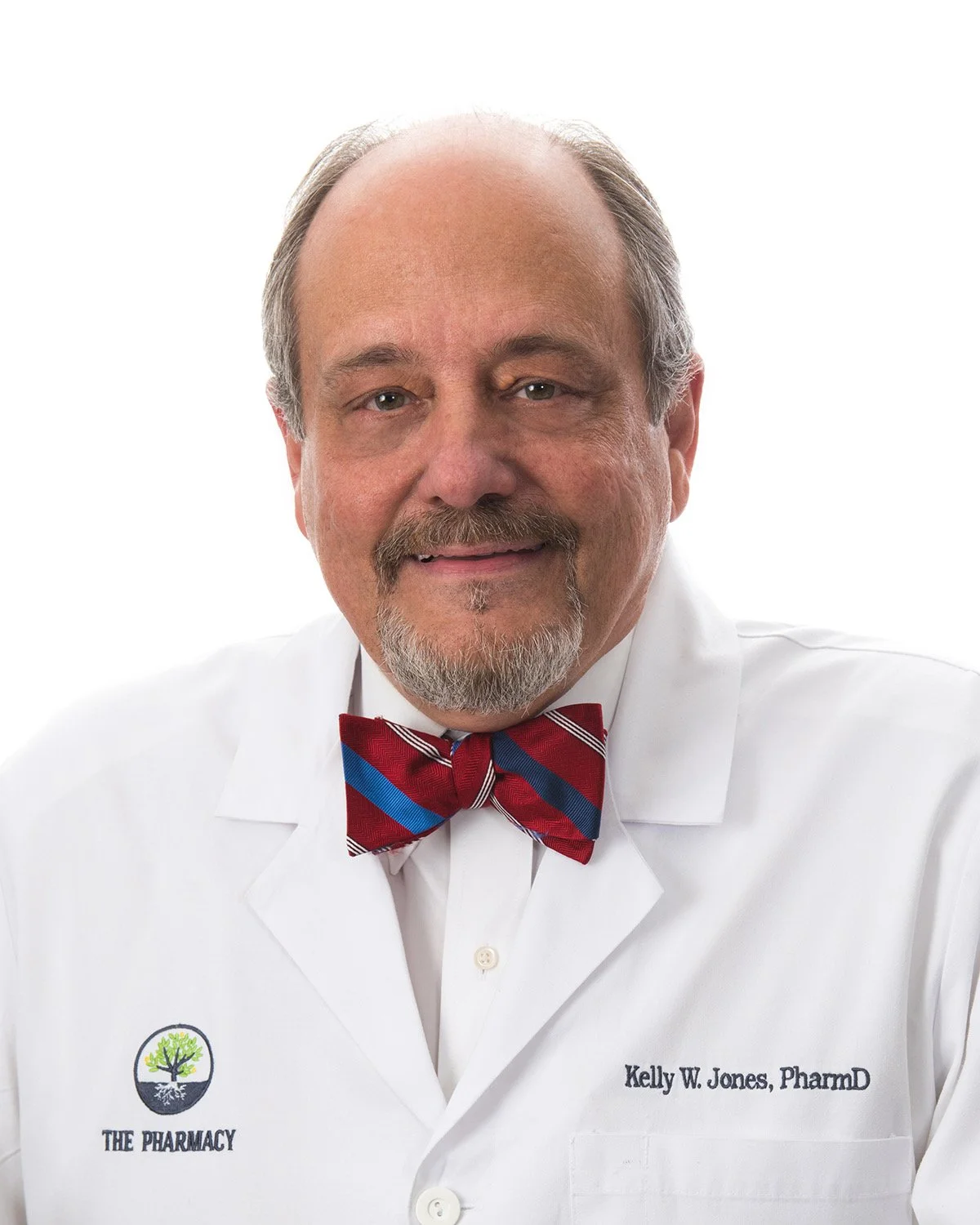
Dr. Kelly Jones PharmD
Dr. Jones is Board Certified in Pharmacotherapy. He received his doctor of pharmacy degree from the Medical University of South Carolina in Charleston. He also completed a post doctorate PharmD fellowship in family medicine from the Medical University of South Carolina in Charleston.
Accreditation Information - ACPE On Demand
PHARMACISTS:
University Learning Systems is accredited by the Accreditation Council for Pharmacy Education (ACPE) as a provider of continuing pharmacy education. These programs are accredited for all pharmacists. On-demand courses provide HOME STUDY credit only.
University Learning Systems is approved by CE Broker, Tracking #50-11357 and reports to the Florida Board of Pharmacy.
CONSULTANT PHARMACISTS: Some consultant pharmacist boards accept University Learning Systems courses for recertification either as is or with board approval. Please contact your board regarding course approval and ULS with any questions.
CANADIAN PHARMACISTS:Canadian Council on Continuing Education in Pharmacy (CCCEP)accepts courses accredited by the Accreditation Council for Pharmacy Education (ACPE). This credit is applicable to health professionals who may require pharmacology credit.
NURSE PRACTITIONERS
American Nurses Credentialing Center (ANCC) : This course fulfills the pharmacotherapeutics/ pharmacology requirements for American Nurses Credentialing Center (ANCC) Continuing Education Hours or certification renewal as well as other Nurse Practitioner credentialing organizations that accept ACPE credit. The same hours submitted to renew certification may be submitted to a State Board of Nursing for re-licensure.
American Association of Nurse Practitioners (AANP) This program offers Category 2 credit only. AANP only accepts on demand courses approved for AMA PRA Category 1 Credit™.
NURSES
University Learning Systems is approved by theCalifornia Board of Registered Nursing, Provider Number CEP 11409, and CE Broker Tracking #50-11357:
CE Broker is approved by these Boards of Nursing: Arkansas, Florida, District of Columbia, Georgia, Kentucky, New Mexico, North Dakota, South Carolina, West Virginia.The same hours submitted to renew NP certification may be submitted to a State Board of Nursing for re-licensure.
PHYSICIANS/ PHYSICIAN ASSISTANTS:
This CME program offers Category 2 credit only.
American Academy of Physician Assistants (AAPA) This CME program offers Category 2 credit.
OTHER HEALTH PROFESSIONALS: Please contact your respective board regarding approval.