

Patient Care Highlights
Hotel Brookmere, Saratoga Springs, NY
Recorded: May 19-21, 2026
About This Course
This course provides 15 contact hours of pharmacy CE and (1.5 CEU) of live AAFP/ AMA PRA Category 1 Credit™, ACPE and pharmacology CE/CME credit.
Recorded in at the Hotel Brookmere in Saratoga Springs New York in May 19-21 2026
Price $250 for 15 Hours
Learning Objectives
-
Optimizing Drug Therapy and Avoiding Drug Injury in the Older Adult Part 1:
Discuss key physiologic and pathophysiologic changes of aging that impact drug therapy
Apply age-sensitive principles for medication dosing and management to patient scenarios.
Optimizing Drug Therapy and Avoiding Drug Injury in the Older Adult: Part 2 :
List nine key questions useful for identifying and managing inappropriate polypharmacy, such as unnecessary medication use in older adults
Apply practical tools to screen and appropriately manage complex drug regimens among older adults with or at-risk for drug injury
Discuss high-risk drug-drug and drug-dietary supplement interactions commonly encountered in primary care, including best practices in identifying and managing related toxicities.
-
State key principles for assessing patients in pain, identifying risk factors and behaviors that are associated with opioid misuse, abuse, and addiction.
Describe the similarities and differences in the mechanism of action for opioids, cannabinoids and gabapentenoids.
Compare and contrast the benefits, risks and role of opioids, cannabinoids and gabapentenoids in managing pain.
Describe the best practice model for properly monitoring patients who are started on opioids, gabapentenoids and cannabinoids to minimize the risks of adverse reactions, over-dosage and inappropriate compliance.
Compare and contrast the following product formulations of gabapentenoids with respect to their benefits and risks in managing pain: a) gabapentin (Neurontin); b) Horizant; c) Gralise; and, d) Lyrica.
Compare and contrast the most common cannabinoids found in marijuana with regards to their benefits and risks in managing pain and other symptoms.
State the risks of combining opioids with: a) benzodiazepines; b) alcohol; c) gabapentenoids; and, d) cannabinoids.
Describe how to counsel patients and caregivers regarding the safe use on naloxone for opioid overdose.
-
Managing Anxiety and Sleep Disorders: Drug and Non-Pharmacologic Considerations
Describe signs and symptoms of common sleep and anxiety disorders with a focus on older adults.
Discuss common anxiety disorders, including the neurobiological basis of disease, clinical presentation, assessment, and approach to treatment.
Recognize evidence-based treatments for insomnia and common anxiety disorders, including lifestyle, behavioral, and pharmacologic interventions.
Identify key parameters that warrant referral to specialty care for individuals with insomnia and/or anxiety disorders.
Optimizing Psychopharmacotherapy in Depression: Clinical Cases
Discuss pharmacologic management options within clinical cases of patients with depression.
Relate physiologic and pathophysiologic alterations of brain neurochemistry to symptoms of depression, including the genetic link and molecular basis of injury.
Apply clinical practice guidelines for antidepressant therapies.
Describe key parameters for medications used to treat mechanism, safety, tolerability, efficacy, cost, and simplicity of use.
Best Practices in Chronic Kidney Disease: Highlights from Latest Guidelines and Expert Recommendations
Describe the latest evidence and expert consensus guidance for the evaluation and risk assessment of individuals with CKD.
Discuss medications used to delay CKD progression and manage its complications, including mechanism of action, safety, tolerability, efficacy, price, and simplicity of use.
Review strategies to identify and manage cardiovascular risk in individuals with CKD.
Speaker Kudos
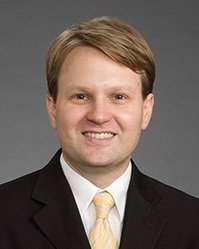

Dr. Reamer L. Bushardt, PharmD, PA-C, DFAAPA,
Professor, Provost and Vice President for Academic Affairs, Massachusetts General Hospital Institute for Health Professions, Mass General Brigham, Boston, MA. PA in Primary Care. Editor-in-Chief Emeritus, Journal of the American Academy of PAs. Principal Investigator Expansion of Practitioner Education in Substance Use Disorders Program, U.S. Substance Abuse and Mental Health Services Administration (SAMHSA).
Dr. Gregory L. Holmquist, PharmD, CPE
Dr. Holmquist received his undergraduate and graduate degrees from the School of Pharmacy at the University of Washington in Seattle. He is a board certified Oncology Pharmacist, an American Medical Association Certified Educator for Physicians on Endof-Life Care, and an American Society of Pain Educators Certified Pain Educator (C.P.E.).
“I found the session on Current Practice Update: Opioids, Cannabinoids & Gabapentinoids for Managing Pain to be highly relevant and informative. The course provided a well-balanced, evidence-based overview of these commonly used agents in pain management, highlighting both their therapeutic benefits and associated risks. The speaker was clear, engaging, and demonstrated strong subject matter expertise.
”
“Both the course and speaker were great. The speaker was very engaging and easy to listen to. He held my attention every minute from beginning to end - I have never experienced this before. In terms of the course, I often go to conferences that are attended mostly by physicians, and I feel like that material is a bit over my head. This course was attended mostly by NP’s and it was perfectly in tune with my knowledge level.”
“Excellent. exceeded expectations. so helpful to my palliative medicine practice. especially cannabinoid content as so many patients are interested in this. also appreciated opportunity to ask an expert for outside of the box recommendations for treating neuropathic pain. thank you.
”
“The course was very informative, relevant & well organized. The speaker demonstrated excellent knowledge of the topic & presented the material in a clear & engaging manner. The discussion on medication management in the geriatric population was especially valuable and provided practical insights that can be applied in clinical practice. The speaker encouraged participation & answered questions thoughtfully, making the session interactive & beneficial for attendees.”
Accreditation Information
PHARMACISTS: University Learning Systems is accredited by the Accreditation Council for Pharmacy Education (ACPE) as a provider of continuing pharmacy education. These programs are accredited for all pharmacists.
University Learning Systems is approved by CE Broker, Tracking #50-11357 and reports to the Florida Board of Pharmacy.
CONSULTANT PHARMACISTS: Some consultant pharmacist boards accept University Learning Systems courses for recertification either as is or with board approval. Please contact your board regarding course approval and ULS with any questions.
CANADIAN PHARMACISTS: Canadian Council on Continuing Education in Pharmacy (CCCEP) accepts courses accredited by the Accreditation Council for Pharmacy Education (ACPE). This credit is applicable to health professionals who may require pharmacology credit.
NURSE PRACTITIONERS American Nurses Credentialing Center (ANCC) and National Certification Corporation (NCC) accept ACPE and AAFP credit. University Learning Systems courses fulfill the pharmacology requirements for ANCC Category 1 Continuing Education Hours for certification renewal.
American Association of Nurse Practitioners (AANP) accepts AAFP/ AMA PRA Category 1™.
NURSESUniversity Learning Systems is approved by the California Board of Registered Nursing, Provider Number CEP 11409, and CE Broker Tracking #50-11357: Approved these Boards of Nursing: Arkansas, Florida, District of Columbia, Georgia, Kentucky, New Mexico, North Dakota, South Carolina, West VirginiaThe same hours submitted to renew NP certification may be submitted to a State Board of Nursing for re-licensure.
PHYSICIANS/ PHYSICIAN ASSISTANTS: The AAFP has reviewed Therapeutic Update 2026 and deemed it acceptable for up to 15.00 Live AAFP Prescribed credit(s). Term of Approval is from 04/28/2026 to 12/31/2026. Physicians should claim only the credit commensurate with the extent of their participation in the activity. AAFP Prescribed credit is accepted by the American Medical Association as equivalent to AMA PRA Category 1 Credit™ toward the AMA Physician’s Recognition Award. When applying for the AMA PRA, Prescribed credit earned must be reported as Prescribed, not as Category 1. CME programs approved by the AAFP are eligible for Category 2 credit (or Category 1-A under special circumstances) through the American Osteopathic Association (AOA). American Academy of Physician Assistants (AAPA) accepts certificates of participation for educational activities certified for Prescribed credit from AAFP. Physician assistants may report the number of hours stated above of Category I credit for completing this program. University Learning Systems is approved by CE Broker, Tracking #50-11357 and reports to the Florida Board of Medicine.
CANADIAN PHYSICIANS: Members of the College of Family Physicians of Canada are eligible to receive up to 15 MAINPRO-M1 credits for participation in this activity due to reciprocal agreement with the American Academy of Family Physicians.
OTHER HEALTH PROFESSIONALS: Contact your respective board regarding approval
See ULS Accredation Statements for more details.